


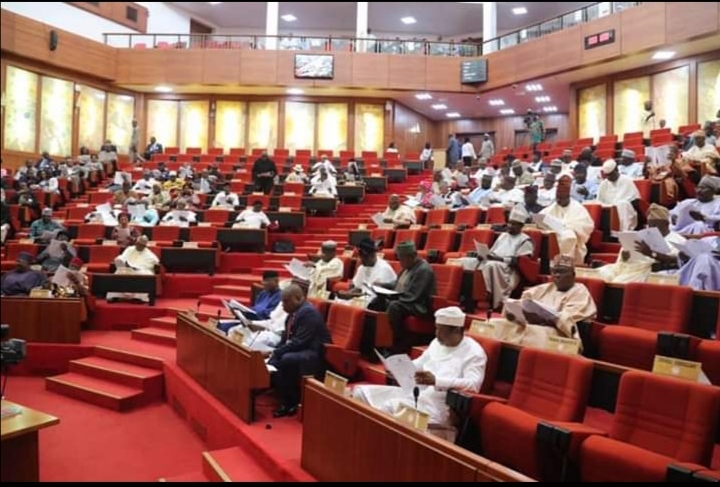
Amid mounting controversy over the removal of “real-time” electronic transmission from the Electoral Act amendment, the Senate on Tuesday constituted a 12-member conference committee to reconcile differences between its version of the bill and that of the House of Representatives.
The decision followed intense debate and public backlash over Clause 60(3), which deals with the electronic transmission of election results.
Critics have faulted the Senate for deleting the “real-time” requirement and retaining a provision that allows the Independent National Electoral Commission (INEC) to determine the mode of transmission, a move protesters and civil society groups say weakens electoral transparency.
Senate President Godswill Akpabio announced the committee during an emergency plenary session, increasing its membership from nine to 12.
“After consultation with the leadership, we have moved the number from nine to 12. I will now read out the names of the conference committee members from the Senate,” Akpabio said.
READ ALSO: Amaechi Brings Doctor Son To NASS Protest, Says He Came Prepared For Possible Injuries
The committee is chaired by Senator Simon Bako Lalong, with Senators Mohammed Tahir Monguno, Adamu Aliero, Orji Uzor Kalu, Abba Moro, Asuquo Ekpenyong, Aminu Iya Abbas, Tokunbo Abiru, Niyi Adegbonmire (SAN), Jibrin Isah, Ipalibo Banigo, and Onyekachi Nwebonyi as members.
Akpabio urged the lawmakers to treat the assignment with urgency, expressing optimism that the harmonisation could be completed within days, allowing President Bola Tinubu to assent to the bill before the end of February.
Tuesday’s plenary was marked by tension, with intermittent interruptions as lawmakers clashed over the contentious clause. A motion by Senator Monguno seeking a reversal of the Senate’s earlier approval of the clause triggered sharp disagreements.
Akpabio backed a proposal recognising electronic transmission as the primary method, with manual submission via Form EC8A allowed only in cases of technical failure. The debate grew heated, prompting Senator Enyinnaya Abaribe to demand individual voting — a request he later withdrew.
The session came against the backdrop of nationwide protests, including the “Occupy National Assembly” demonstration in Abuja, where civil society groups, opposition figures, and prominent politicians such as Peter Obi and Rotimi Amaechi demanded that real-time electronic transmission be made mandatory to safeguard election credibility.
While critics argue that removing “real-time” creates loopholes for manipulation, Akpabio has maintained that the Senate did not reject electronic transmission. He said the phrase was removed to avoid legal disputes arising from network failures and to give INEC operational flexibility.
Despite the uproar, several senators insist the chamber supports electronic transmission in principle, describing the disagreement as one of wording rather than intent.