The Resource Centre for Human Rights and Civic Education (CHRICED) has raised fresh concerns before the United Nations over what it described as the worsening human rights situation of Abuja’s Original Inhabitants, warning that forced evictions, land dispossession and political exclusion have plunged Indigenous communities into a “silent conflict.”
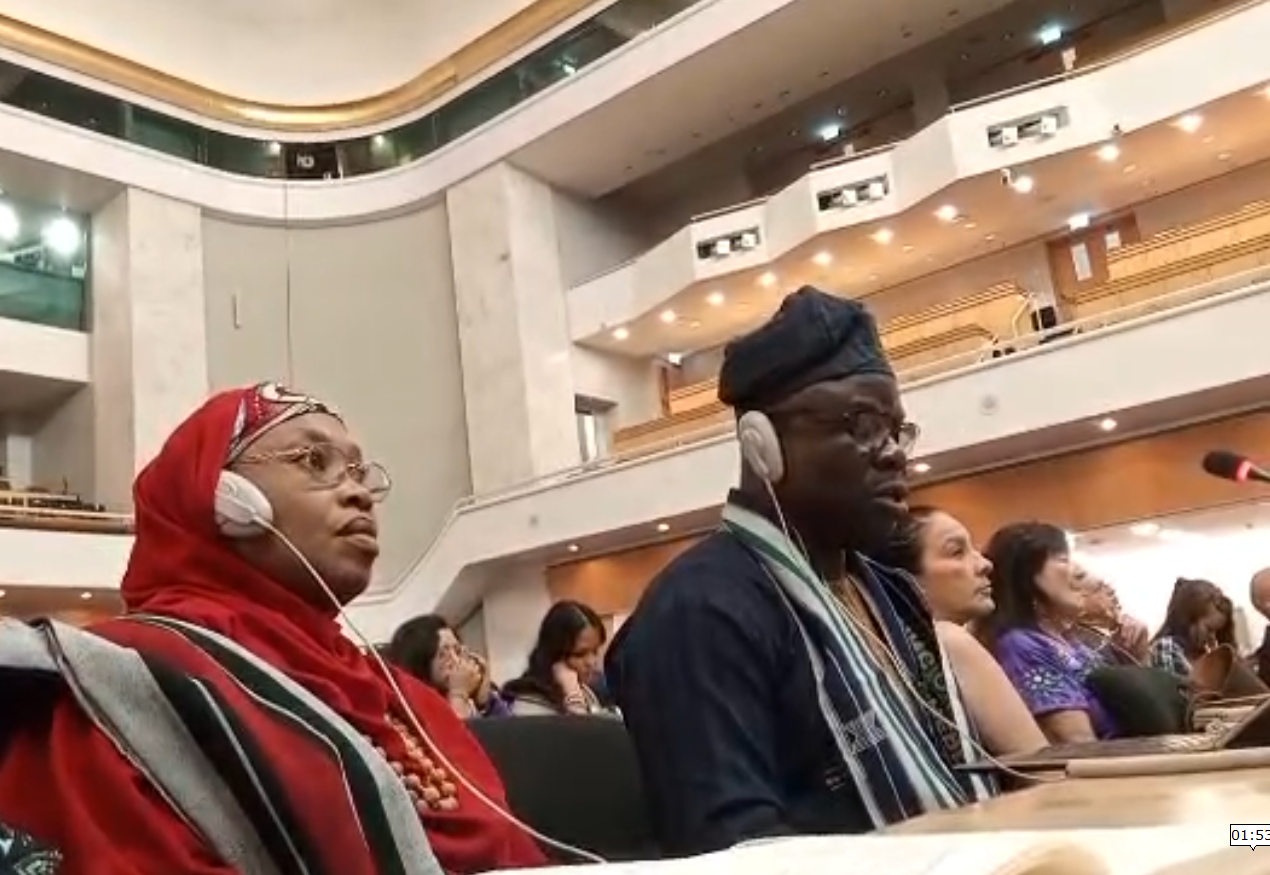
Presenting CHRICED’s intervention at the United Nations Expert Mechanism on the Rights of Indigenous Peoples, the organisation’s Executive Director, Dr. Ibrahim Zikirullahi, said more than two million Indigenous people of the Federal Capital Territory continue to suffer systematic exclusion, adding that their condition has deteriorated significantly since the organisation’s presentation at the UN last year.
“Although Abuja is widely perceived as a peaceful administrative capital, the lived experiences of its Indigenous Peoples reveal a persistent structural conflict rooted in forced displacement, land appropriation and political exclusion,” Zikirullahi said.
According to him, repeated demolitions of Indigenous homes, farms and cultural sites over the past year have rendered many families homeless, destroyed ancestral compounds, disrupted livelihoods and intensified fear and psychological trauma.
“These demolitions constitute conflict conditions even in the absence of armed confrontation. They mirror global patterns in which Indigenous Peoples experience violence through administrative, legal and urban-development mechanisms rather than overt military force,” he stated.
READ ALSO: CHRICED To Tinubu: Suspend Gbajabiamila, Probe PFIPC Scandal Now
The CHRICED Executive Director lamented that Abuja’s Original Inhabitants remain trapped in what he described as a “post-conflict reality without justice,” noting that despite Supreme Court judgments affirming their rights, many affected communities have neither received compensation nor been resettled.
“There is no restitution for lands seized under Military Decree No. 6 of 1976, no compensation or resettlement, and no political representation, as Abuja’s Original Inhabitants still cannot elect a governor or state legislature,” he said.
Zikirullahi also cautioned that the rapid expansion of Artificial Intelligence could deepen the exclusion of Indigenous communities if their data is collected or deployed without their free, prior and informed consent.
“Data is not just a technical tool; it is a vehicle for justice, visibility and empowerment. AI must not become another instrument for reinforcing discrimination or reproducing colonial patterns of dispossession,” he said, urging the UN to promote ethical AI frameworks that guarantee Indigenous data sovereignty.
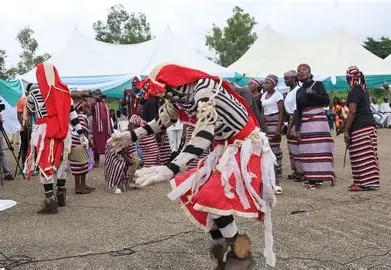
The human rights advocate further warned that several Indigenous languages spoken in the FCT, including Gbagyi, Bassa, Gwandara, Koro and Ganagana, face extinction due to displacement, urban assimilation and the destruction of cultural spaces.
He called on the Nigerian Government to recognise Abuja’s Indigenous languages as part of the country’s national heritage, support community-led language revitalisation programmes and invest in digital and AI-driven language preservation initiatives.
READ ALSO: Party Deregistration: Exercise Caution To Protect Democracy, CHRICED Tells INEC
The Executive Director also urged the Nigerian Government to immediately halt forced evictions, provide restitution and rights-based resettlement for displaced communities, formally recognise Abuja’s Original Inhabitants as Indigenous Peoples, guarantee their political participation and adopt conflict-sensitive development policies.
“The situation of Abuja’s Original Inhabitants is not improving; it is worsening,” Zikirullahi said.
“Development must never be weaponised against Indigenous Peoples. AI must never become a new frontier of dispossession. Language must never be allowed to die because a people were pushed off their land. Justice delayed is dignity denied.” He noted.